OCBridge

Role: Founding Product Designer — UX Research, Product Strategy, Visual design, Prototyping, Design System
Tools: Figma, HTML/CSS
Focus: Enterprise recruiting, AI workflow, explainability
Year: 2025

OCBridge is an AI-first recruitment platform for enterprise recruiters managing sourcing, screening, and client reporting across global talent markets.

The company was moving from service-led recruiting into a product-led workflow. AI could already rank candidates, parse job descriptions, and draft reports. The missing layer was trust: recruiters could see what the AI produced, but they could not always explain or own the decision.

The project emerged from a simple observation: recruiter work was not blocked by a lack of automation. It was blocked by the moment a client asked, “Why this candidate?” and the product gave them a score instead of a reason.
16+
Countries in OCBridge's recruiting network
12
Recruiter sessions informing the beta
87%
Adoption after launch
8/8
Recruiters could defend the shortlist
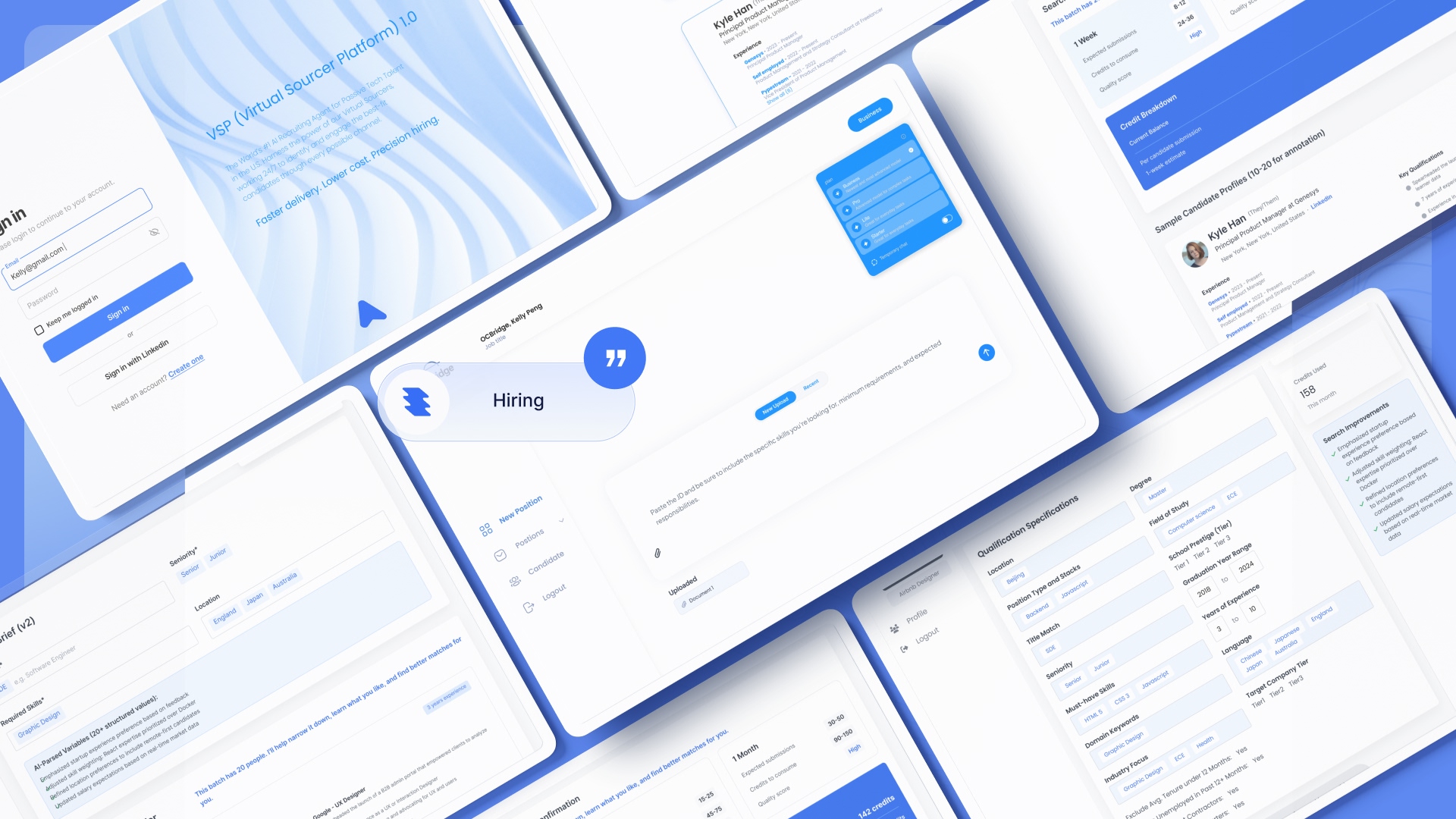
OCBridge project overview collage

Background

The core problem was not any single AI feature failing. It was the absence of a connective layer between AI output and recruiter judgment.

"I can see who the system recommends. I just can't explain why this person is ranked above another one."
- recurring theme across recruiter testing
pain point 01

Manual setup

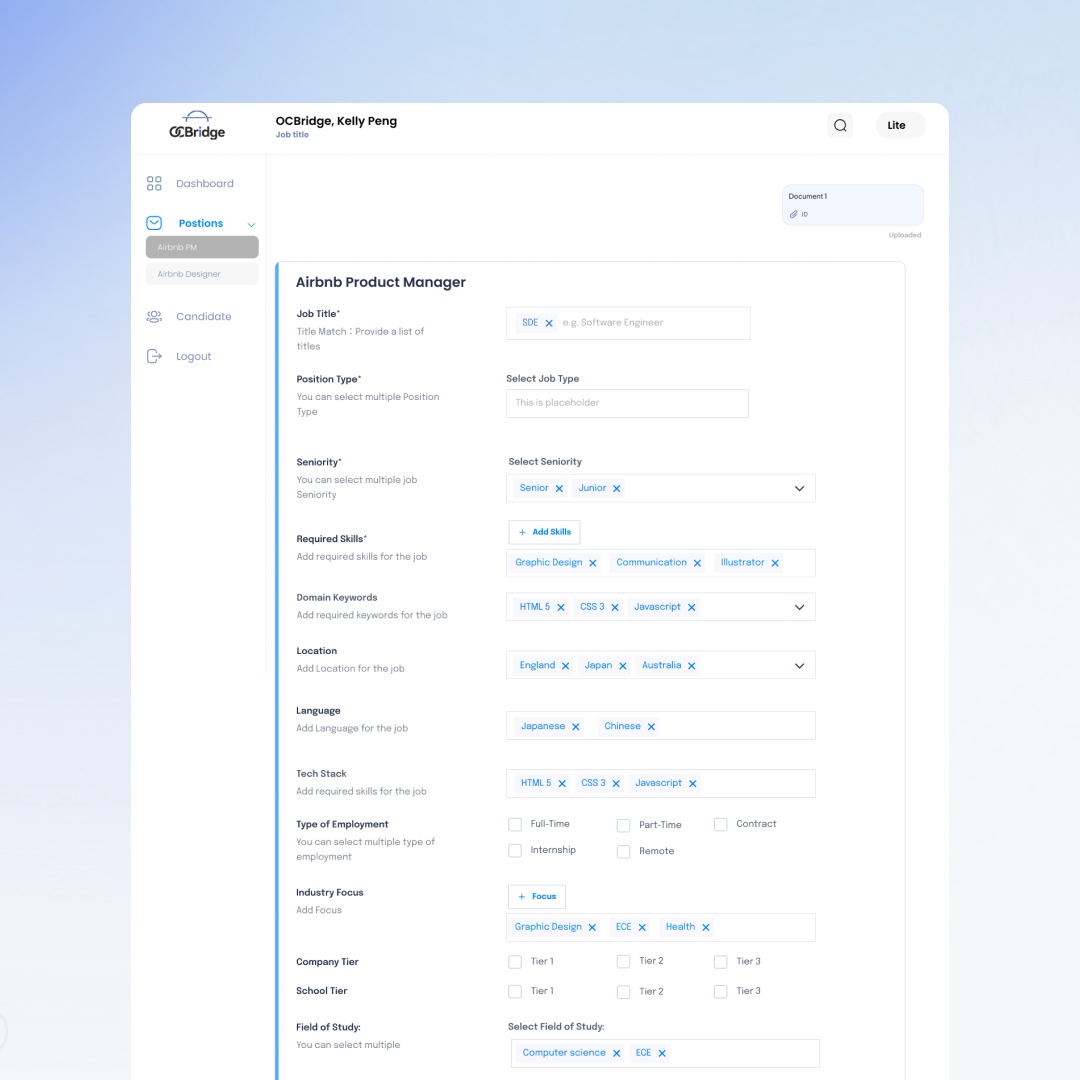
Recruiters translated jobs into a 12-field Boolean form before AI could help.

pain point 02

Score-only ranking

Candidate lists were fast, but not defensible in client conversations.

pain point 03

Low ownership

The AI made decisions, while recruiters were left to justify them after the fact.

pain point 04

Broken handoff

Reports did not inherit the reviewed reasoning behind the shortlist.
How might we?

01Reduce the setup burden without hiding the criteria the AI uses?
02Make AI recommendations explainable without overwhelming recruiters with full profiles?
03Design a client report that carries forward recruiter-approved reasoning?

Solution preview

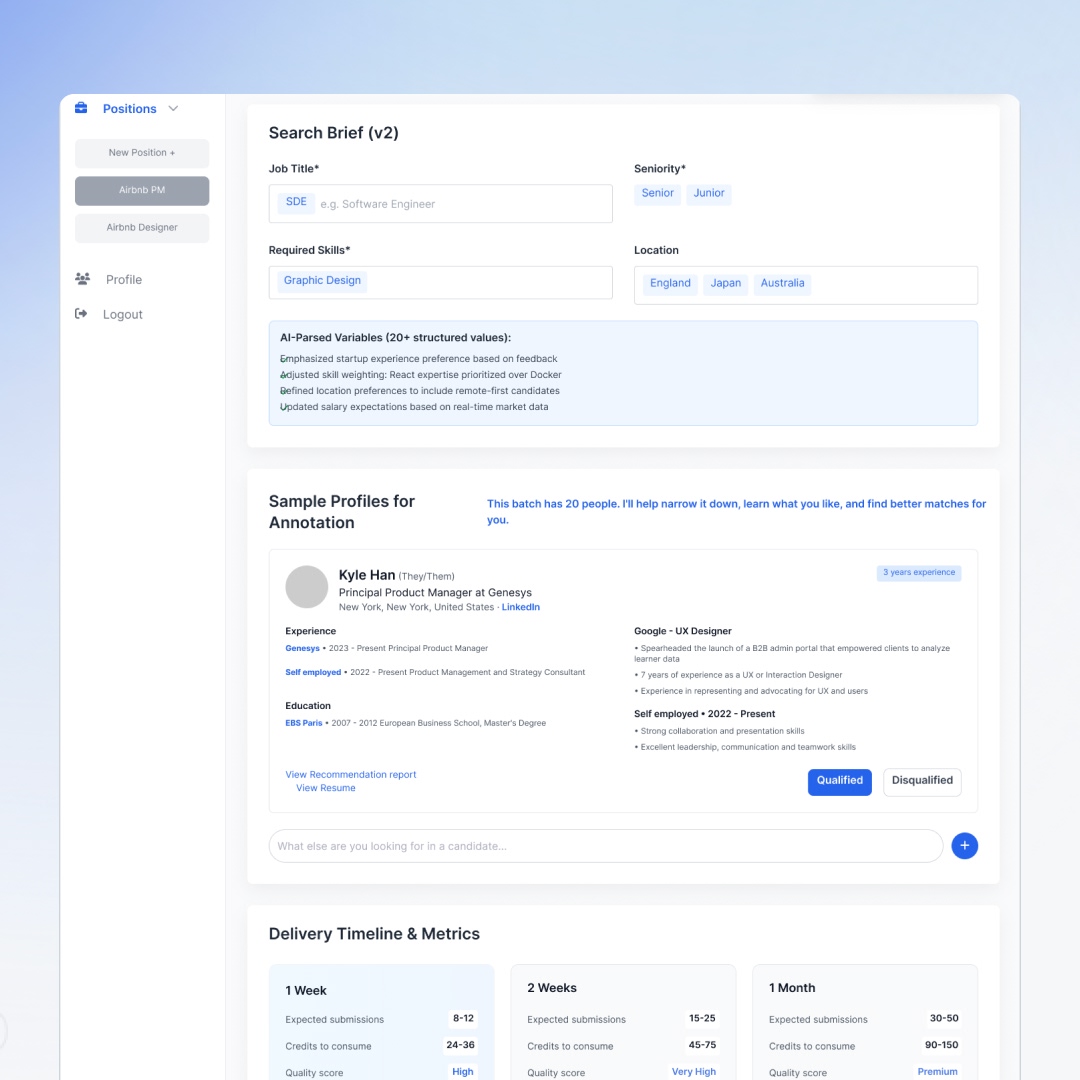
OCBridge turns a job description into editable search criteria, ranks candidates with plain-language evidence, and converts approved reasoning into a client-ready report. Use the controls to move through the three core product moments.
JD parsing feature
(Criteria extraction)
The recruiter writes the role once. The AI extracts criteria. The recruiter confirms before search.
Transparent candidate reasoning
(Explainable matching)
A ranked candidate is paired with reasons and gaps, not only a confidence score.
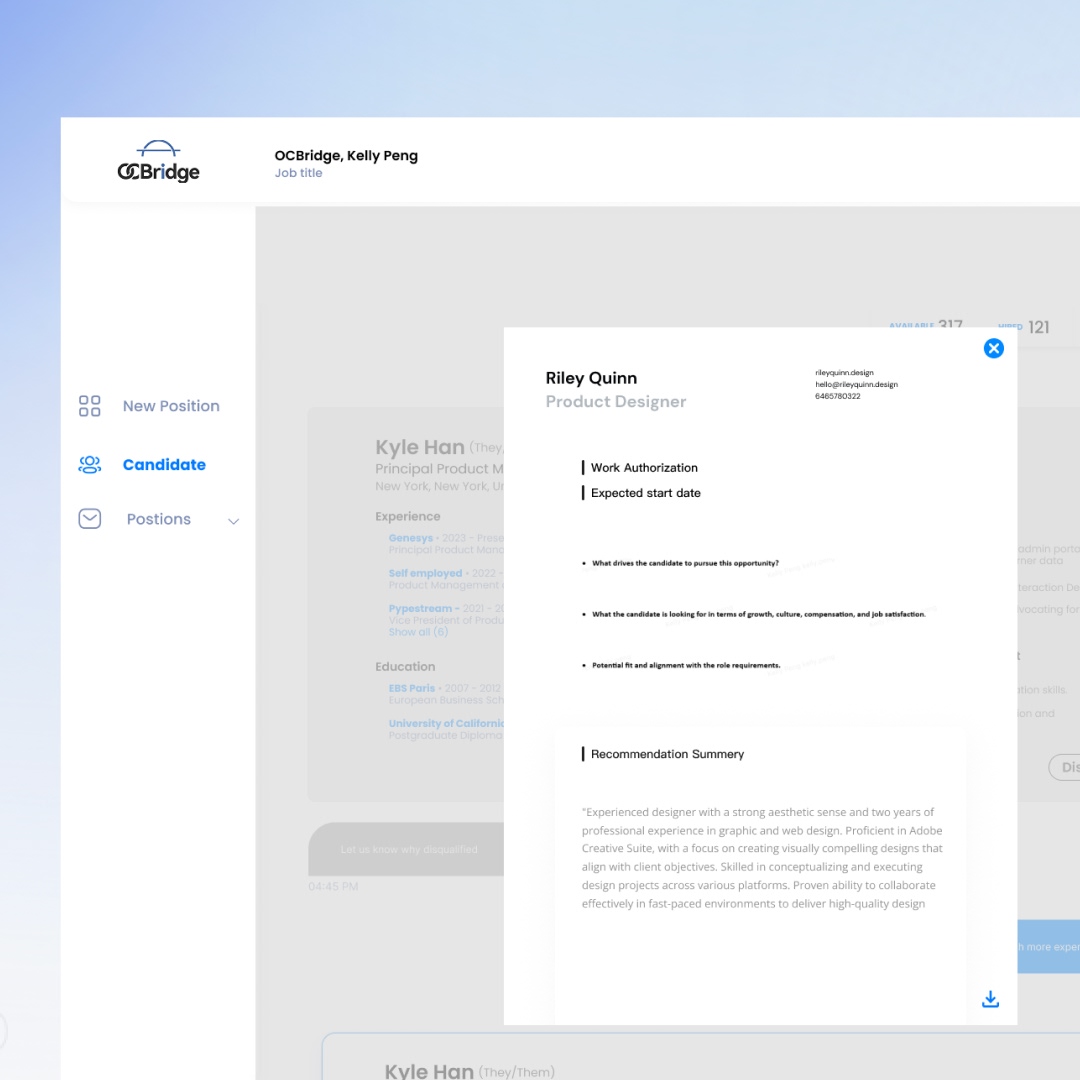
Client report screen
(Client-ready handoff)
The report is generated from evidence recruiters already reviewed and approved.
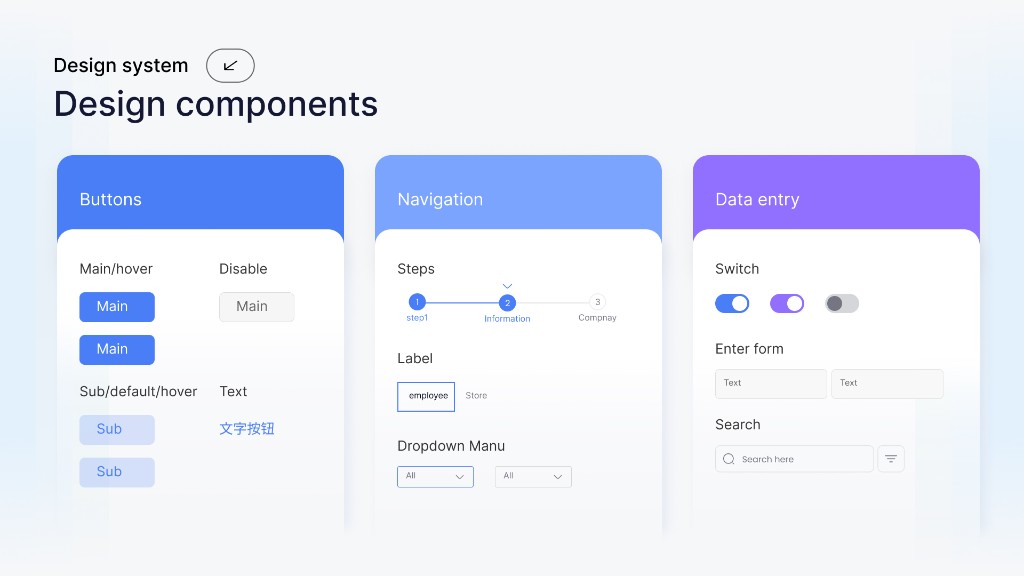
Design system components
(Reusable trust patterns)
Every AI output uses the same anatomy: source, reason, confidence, gap, action.

Process

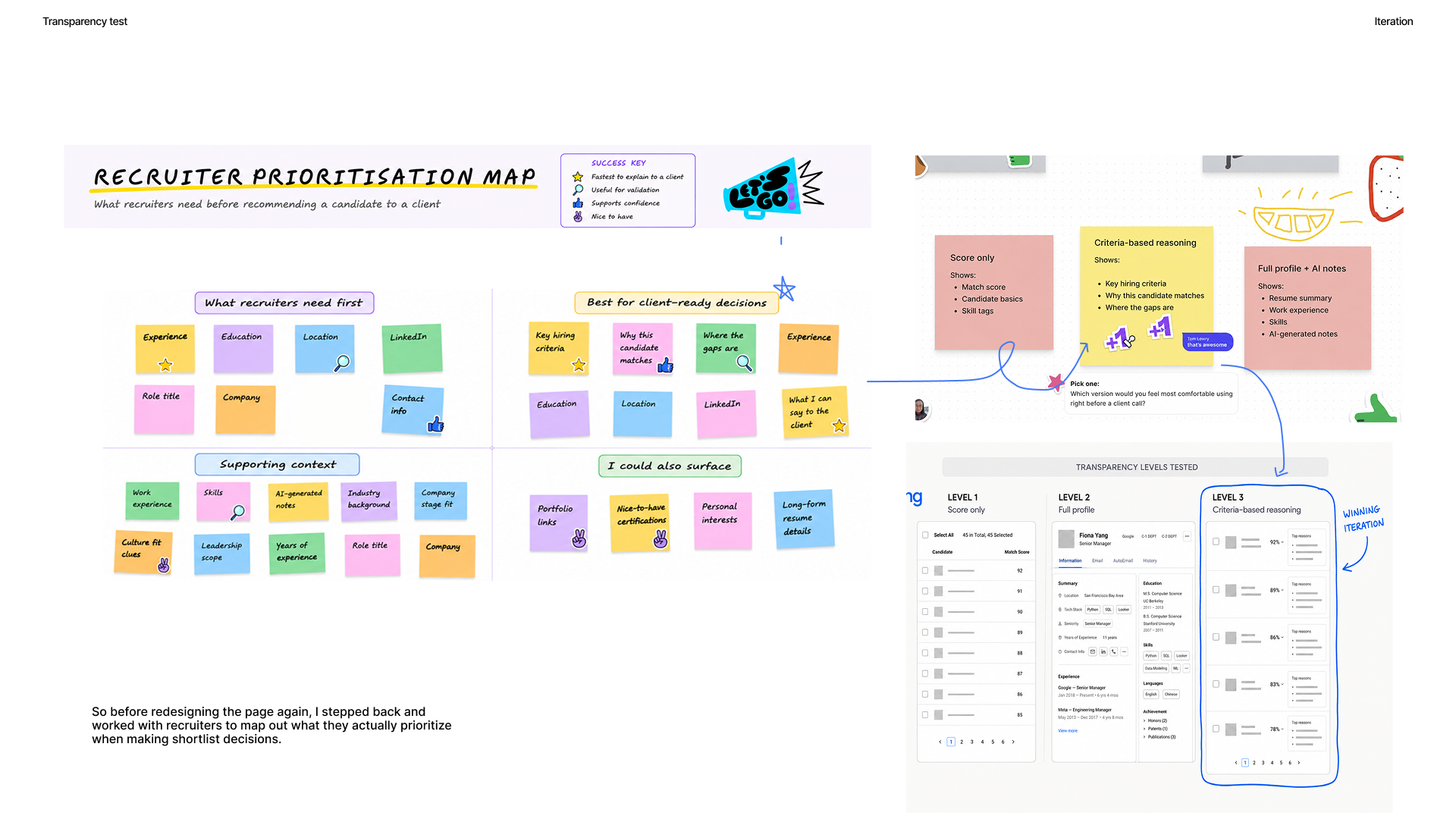
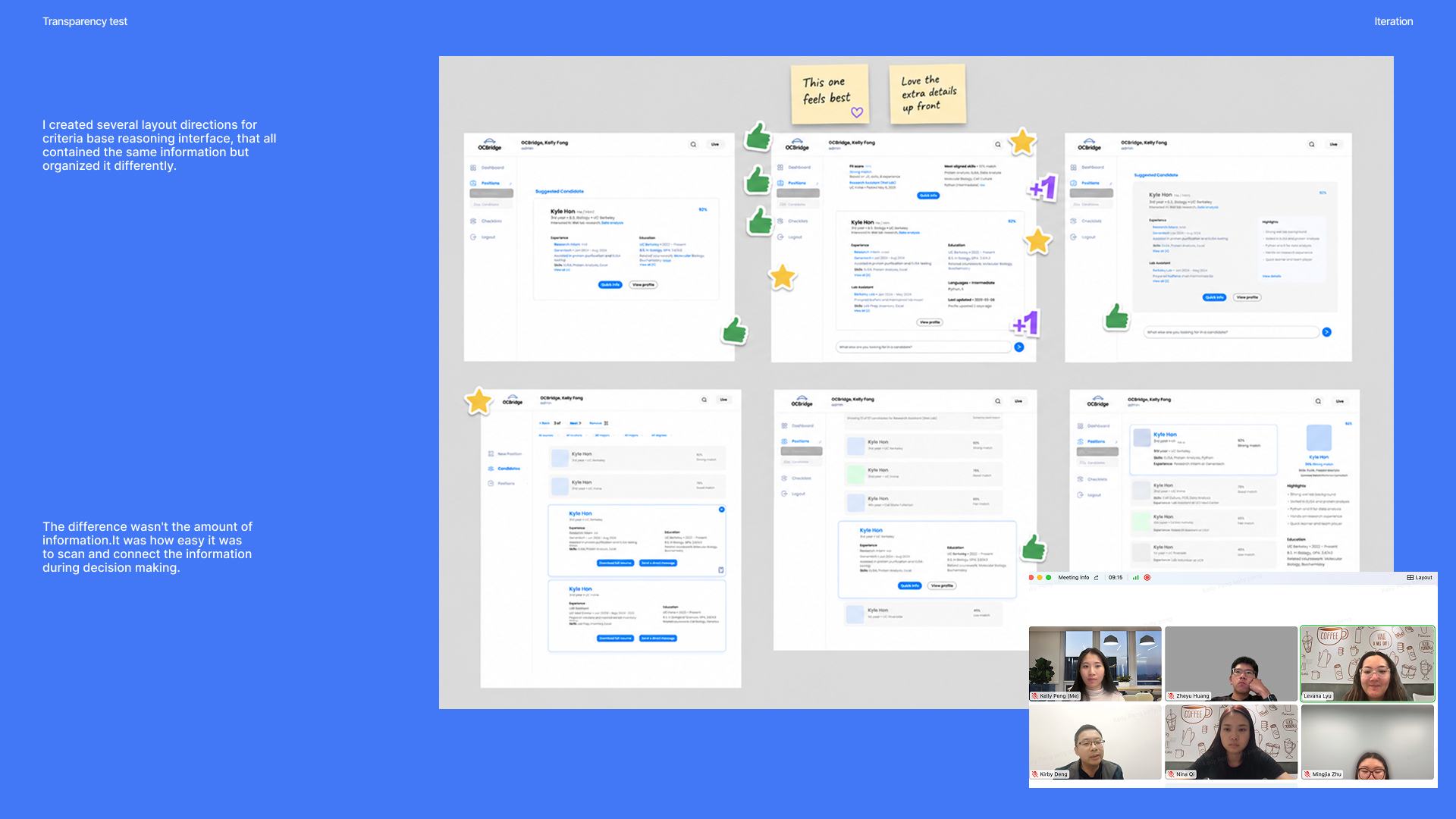
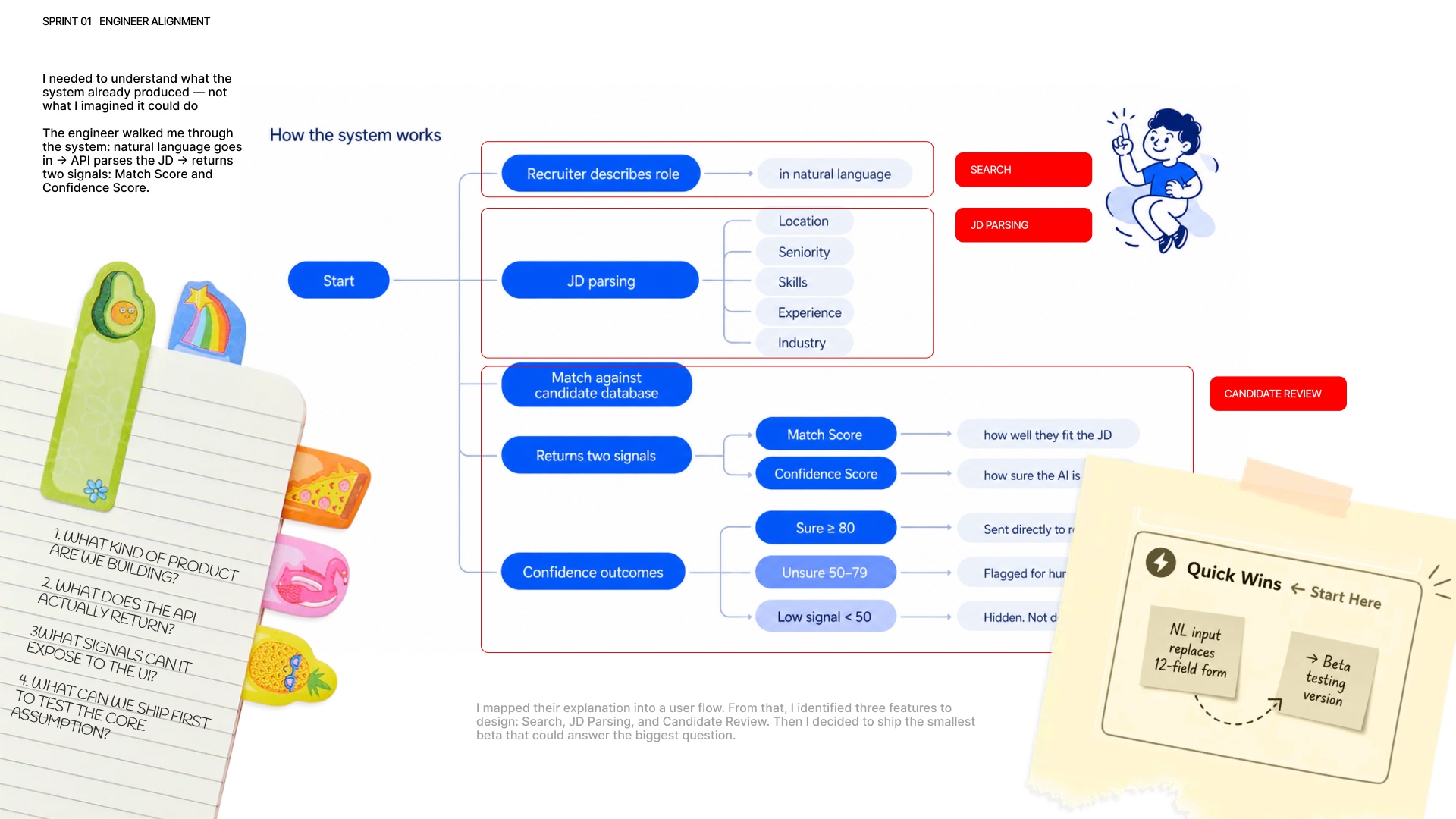
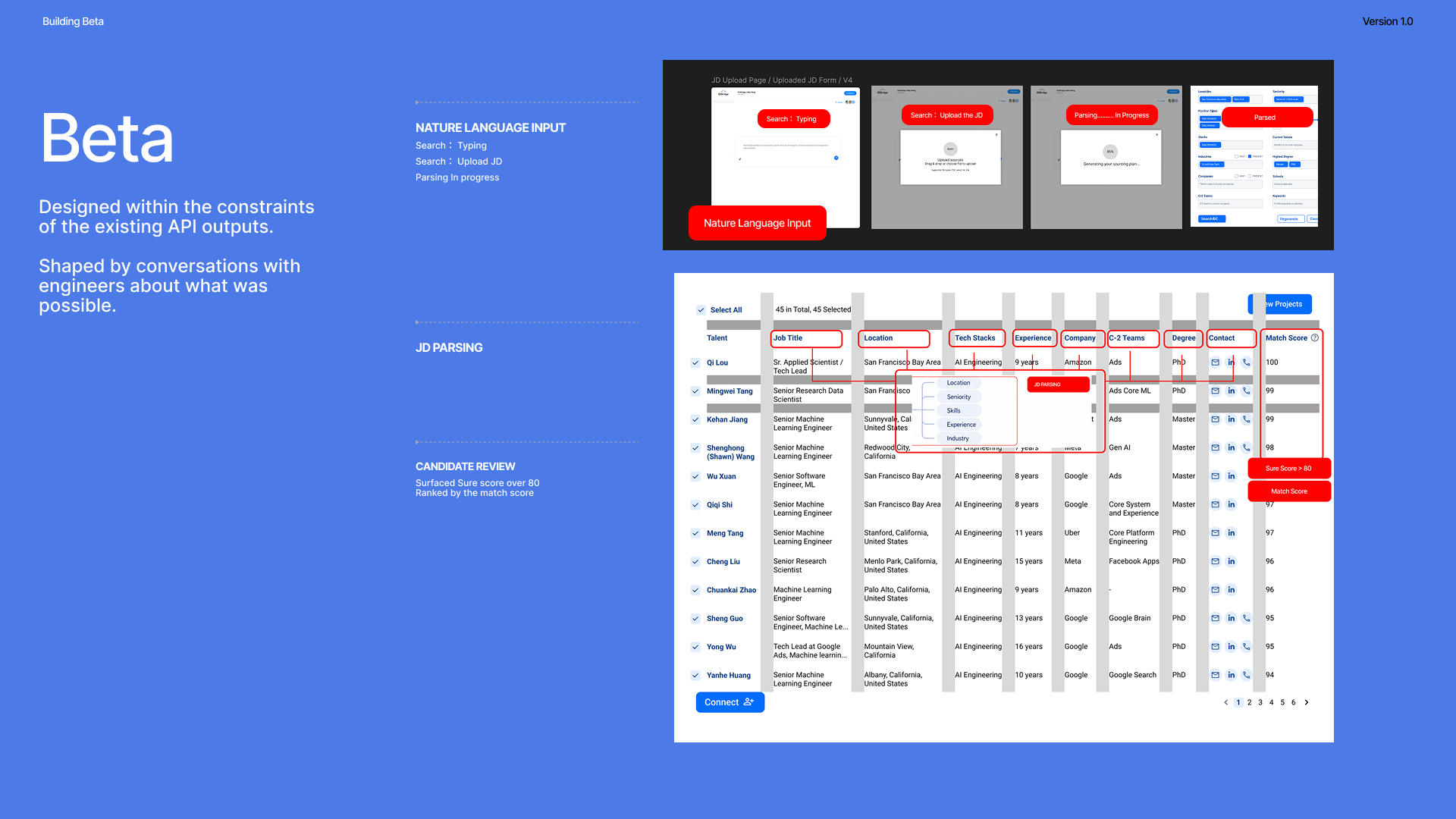
From engineer alignment to a shippable beta and transparency testing — how the system was understood, built, and pressure-tested before each redesign.
User Interviews

Twelve recruiter testing sessions surfaced patterns around trust, workarounds, client pressure, and the gap between “AI gave me an answer” and “I can defend this answer.”

"There was no way to edit the JD after submitting. I had to go back to the beginning just to change one thing."

R1
Enterprise recruiter
Beta tester
Pain Point

"I need to know what changed the ranking. Otherwise I still have to read every profile like before."

R2
Senior sourcer
Recruiting lead
Key Insight

"The client does not care that the AI scored someone 94. They want to know why we believe this person fits."

R3
Account recruiter
Client-facing
Unmet Need

"Natural language search is easier, but I still need a checkpoint before it goes and finds people."

R4
Recruiter
Power user
Control

"If the reasoning is already written in the product, I can reuse it in my client email."

R5
Recruiter
Client handoff
Opportunity

"The previous version was faster, but it made me less confident because I couldn't tell what mattered."
R6
Hiring team lead
Reviewer
Failure Mode

Solution integration

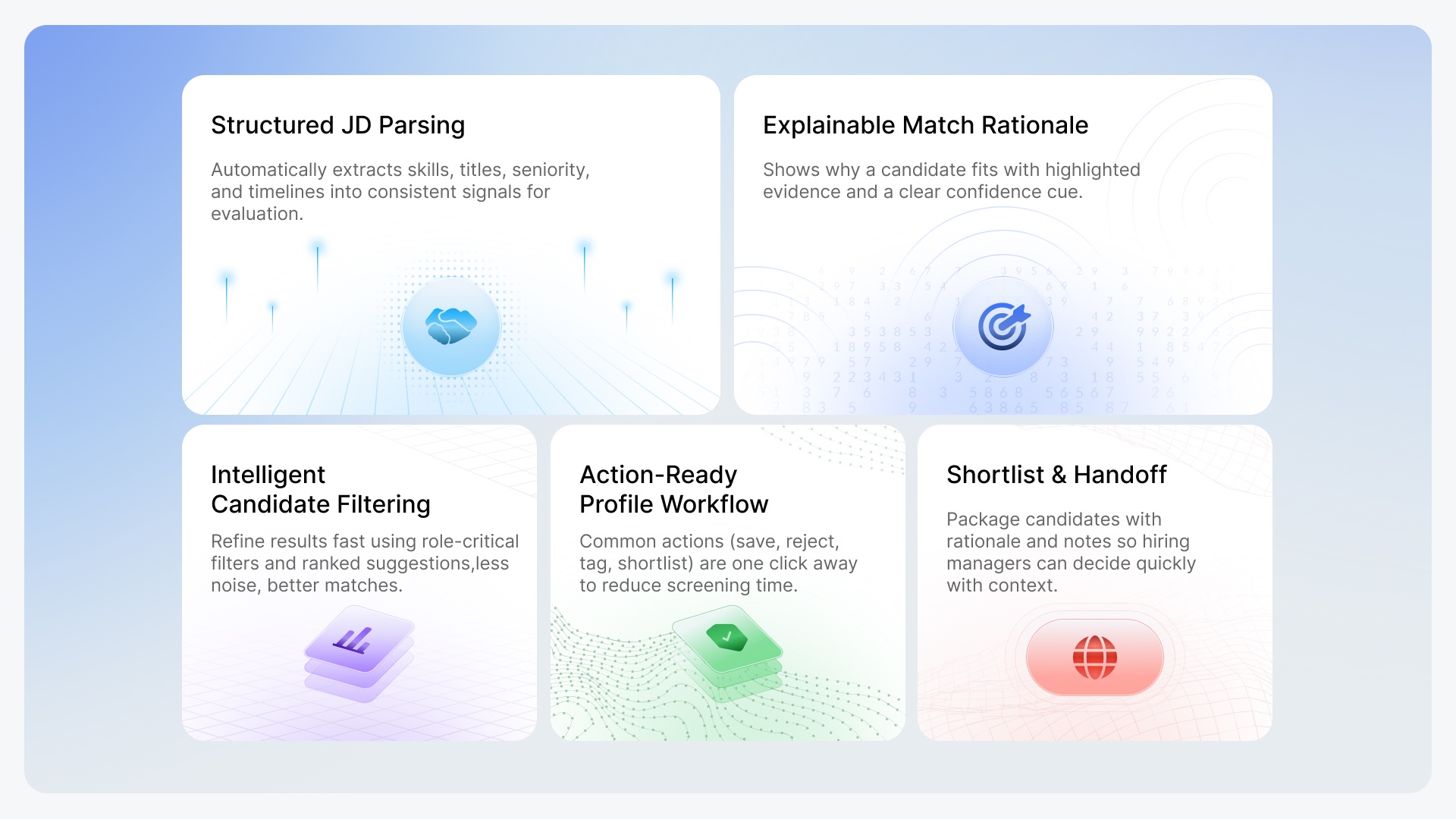
Research and problem framing drove every design decision. The integration layer maps recruiter trust breaks directly to product features: parsing, rationale, filtering, profile actions, and shortlist handoff.
OCBridge solution integration modular graphic
The product works as one connected trust layer, not a set of isolated AI features.
01

Parse

AI reads the job description and extracts searchable criteria, priorities, and constraints.

02

Confirm

Recruiters edit the extracted criteria before search, creating the first ownership moment.

03

Review

Candidate recommendations show evidence, match reasoning, and gaps in a scan-friendly layout.

04

Defend

Recruiters can explain why a candidate belongs on the shortlist, not just cite an AI score.

05

Report

The client report reorganizes approved reasoning instead of inventing a new AI narrative.

Design decisions

01

Research -> Product Logic

Every major feature maps to a named recruiter pain point. JD parsing came from setup friction. Candidate reasoning came from client defensibility. Report generation came from handoff pressure.

02

AI -> Checkpoints

Recruiters did not need to see the model work. They needed checkpoints where AI output became editable, understandable, and accountable before it moved forward.

03

Trust -> Carried Forward

The report only works if the reasoning has already been reviewed. I designed the workflow so trust is accumulated, not restarted, at every step.

Research -> Design Mapping

Manual JD setup
Structured JD Parsing
Score-only ranking
Match Rationale
Too many profiles
Candidate Filtering
Client pushback
Shortlist Handoff

Product -> UX Principles

Make AI legible

Expose the evidence behind a recommendation in plain language, not model language.

Let recruiters own the decision

Every AI output has a confirmation point before it affects search, ranking, or reporting.

Carry trust forward

Client reports are generated from approved reasoning, so the final handoff remains traceable.
Designer handoff

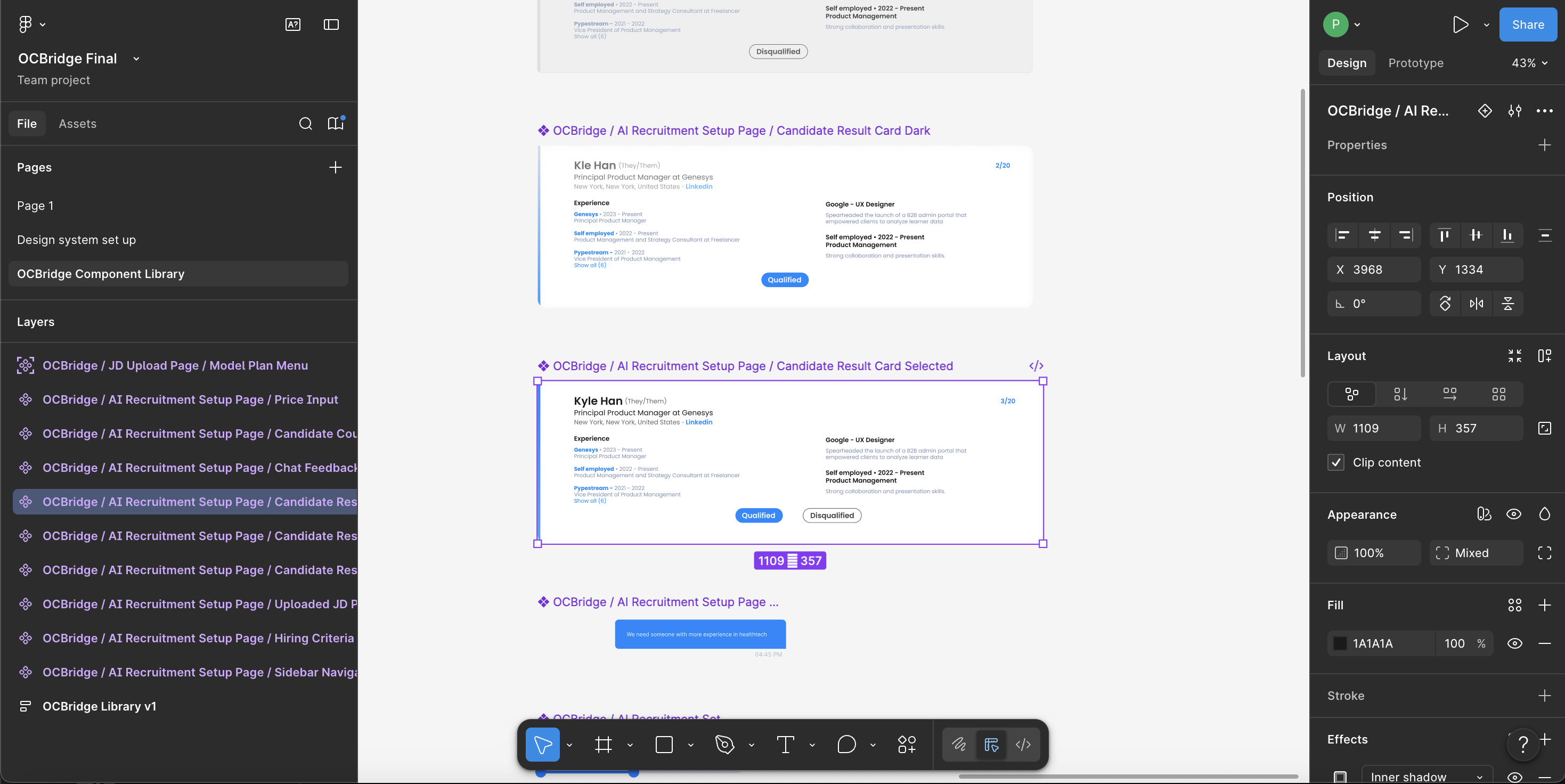
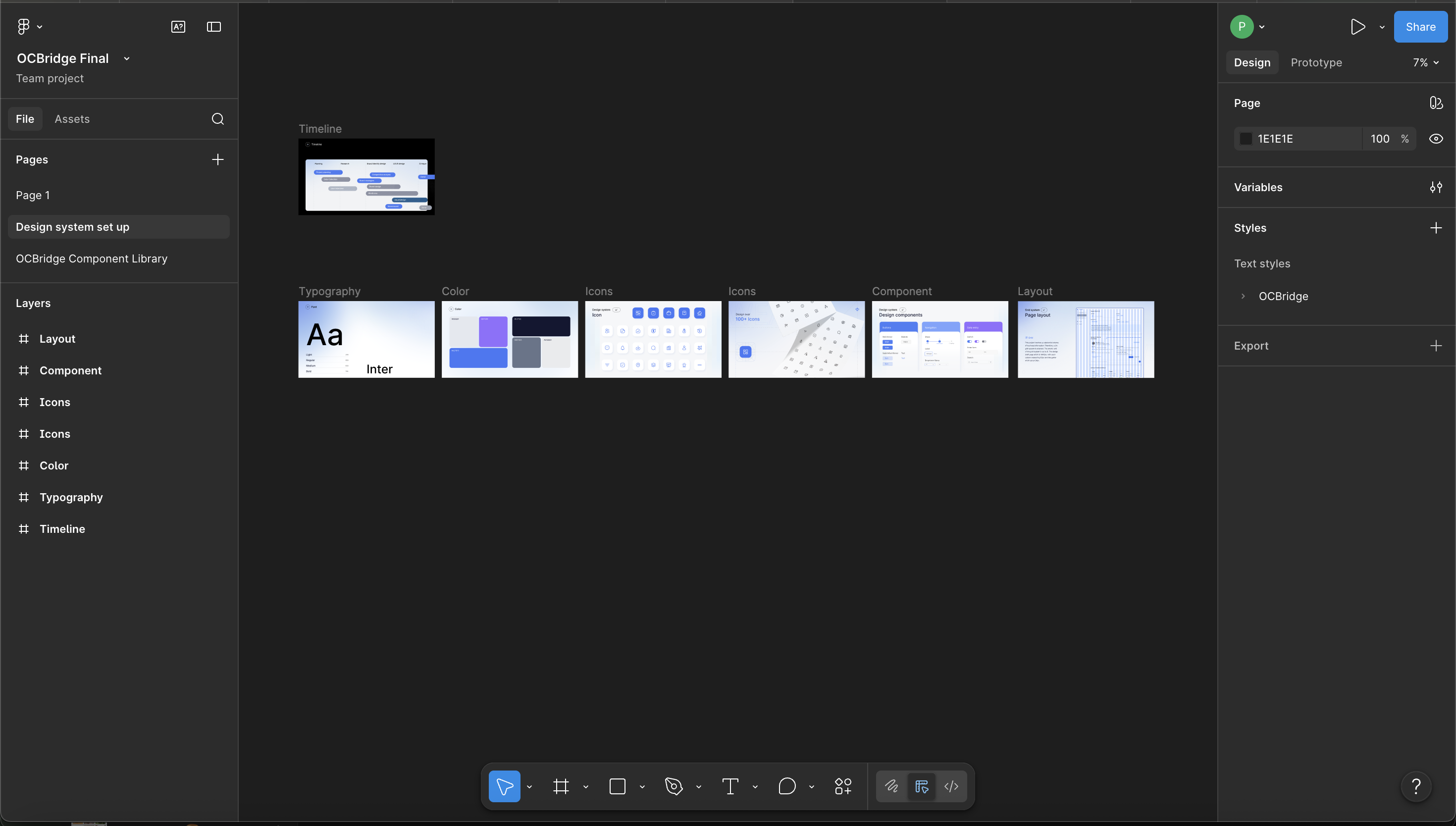
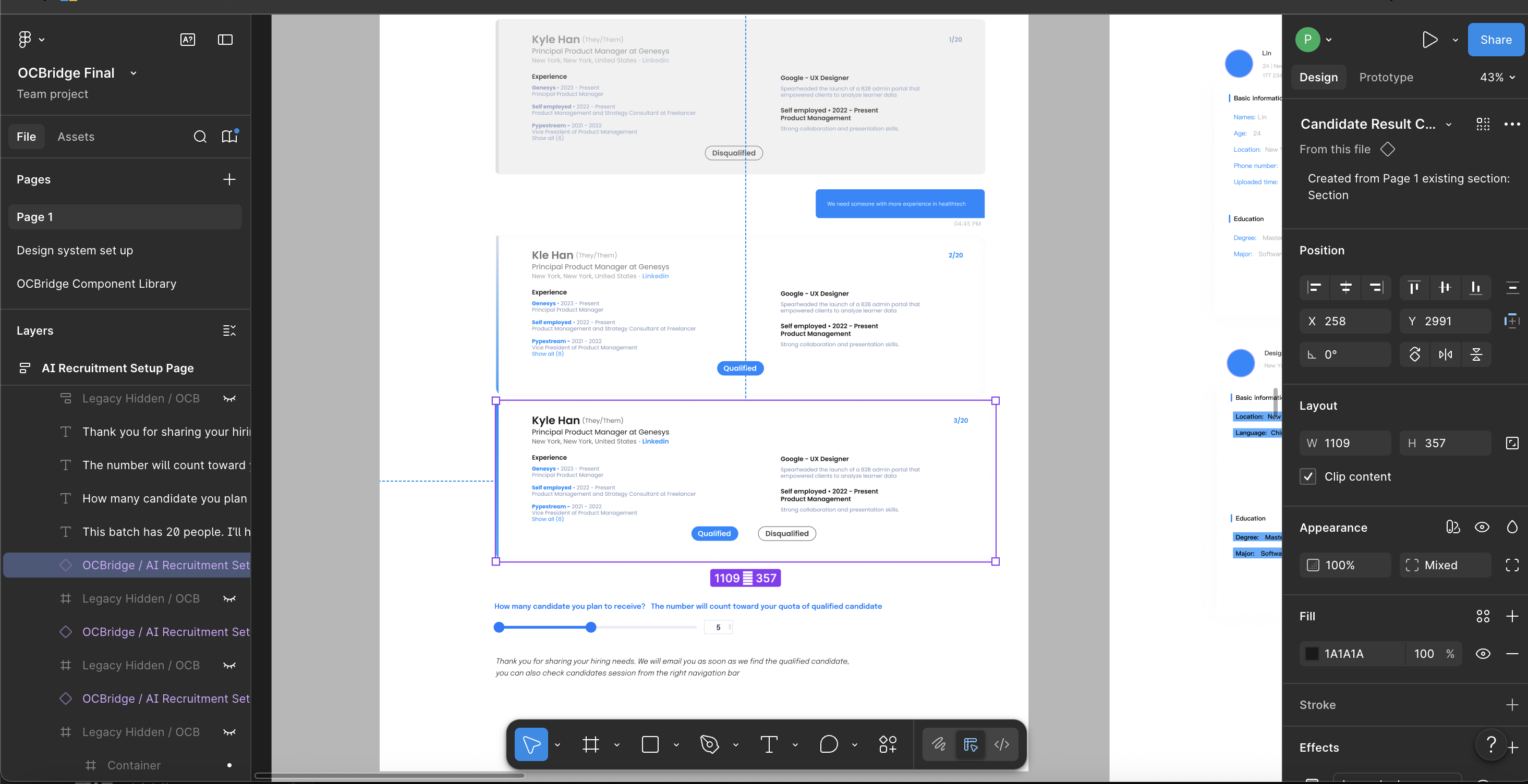
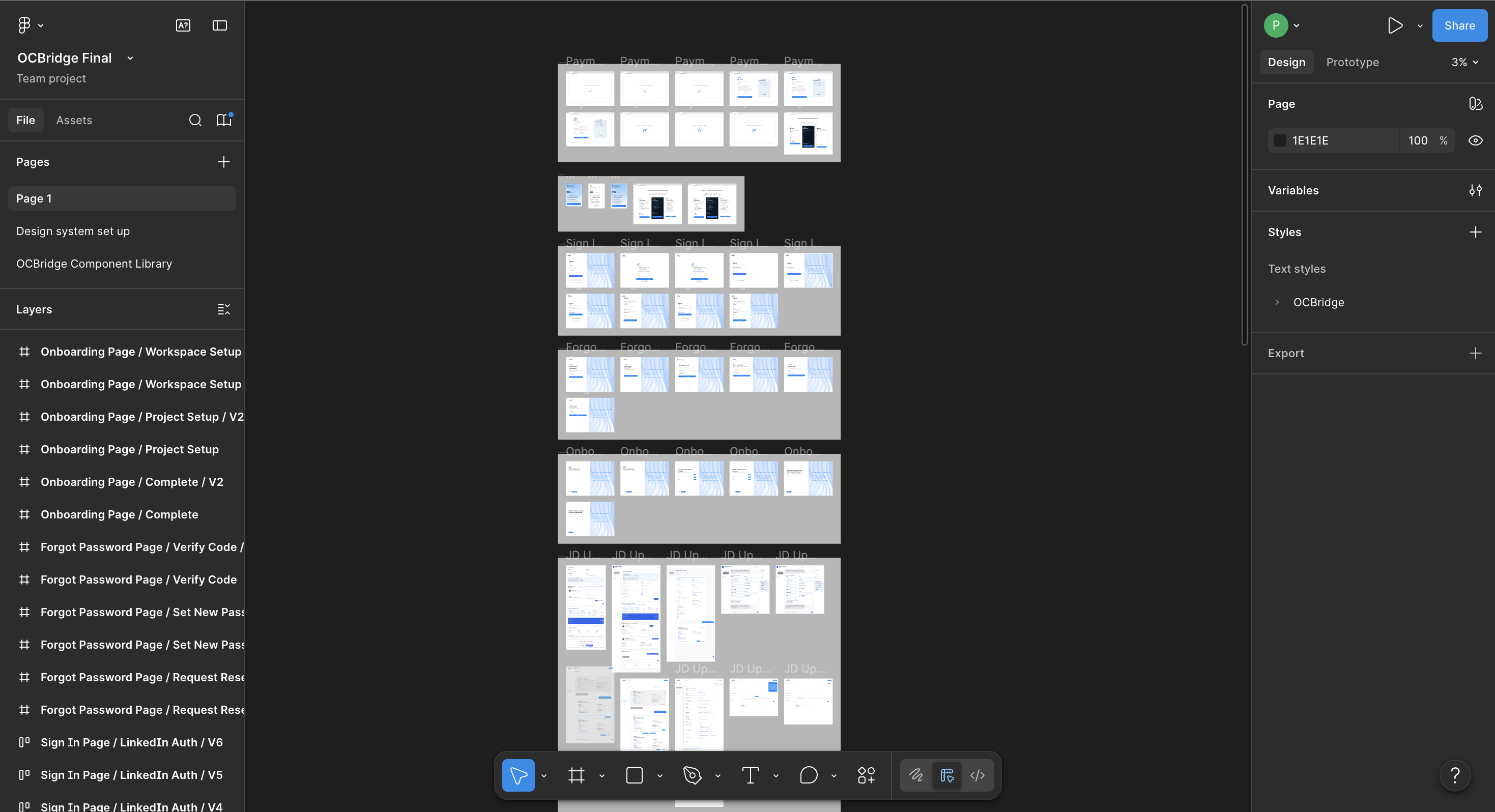
Organized Figma file
OCBridge organized Figma page groups OCBridge component selected state OCBridge design system setup OCBridge component states applied to product

Engineer handoff

Design system

Outcome

87%
Overall adoption within 8 weeks
63 -> 22%
Re-screening rate dropped
11 -> 68%
First-pass shortlist acceptance
$46K
Annualized agency spend eliminated

(reflections)

Interviews surfaced the real product insight: the issue was not whether recruiters wanted AI, but whether they could defend what AI produced.
Direct research-to-feature mapping kept scope tight. No feature existed unless it traced back to a named workflow failure.
I would test explanation density earlier. The first candidate review concept showed too much information and made recruiters slower, not more confident.
For future AI products, I now design the accountability moment before I design the output.
The best AI workflow does not ask people to trust automation. It gives them enough evidence to own the decision.